What it is
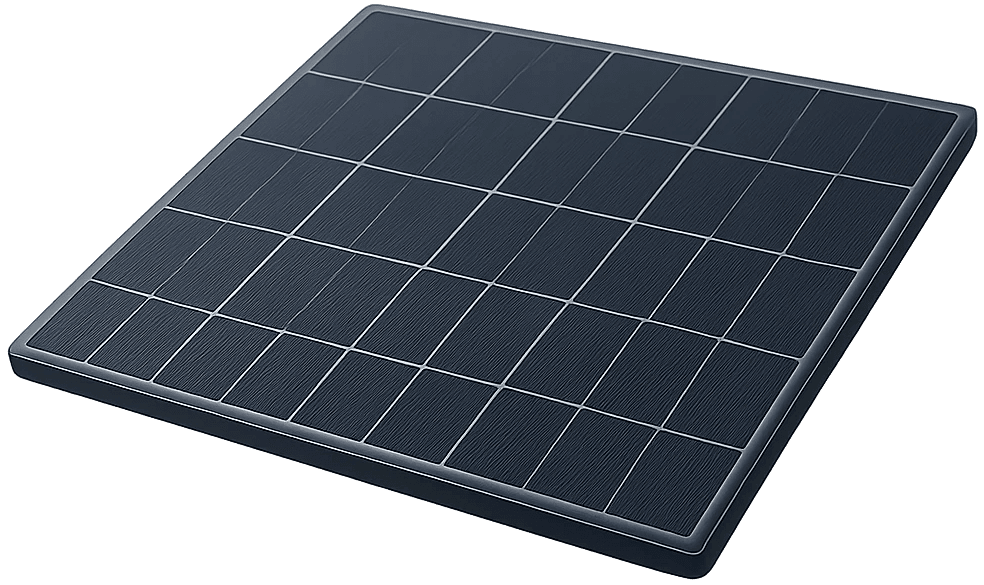
Standard photovoltaic (PV) systems use framed solar panels mounted on top of an existing roof using racking structures. They generate electricity while sitting above the roofing surface rather than replacing it.
Best for
Ideal for homeowners and investors looking for cost-effective and proven solar solutions.
Homes with good sun exposure
Properties with existing roofs in good condition
Projects prioritizing ROI over architectural integration
Areas with high electricity prices and strong solar incentives
Key features / benefits
Framed PV systems offer high efficiency and reliability at a competitive cost.
Generates electricity to reduce utility bills
Lower upfront cost compared to integrated systems (BIPV)
Proven, widely used technology
Easy to upgrade or expand system size
High efficiency due to optimal panel ventilation
Material composition
Standard PV systems consist of durable, industrial-grade components.
Framed photovoltaic panels (glass + aluminum frame)
Mounting system (aluminum rails and brackets)
DC wiring and connectors
Inverter (string or microinverters)
Optional: energy storage (battery systems)
Estimated lifespan
Framed PV systems are designed for long-term performance.
Panels: typically 25–30 years (with gradual efficiency loss)
Mounting structure: 20–30+ years
Inverters: 10–15 years (may require replacement once)
Cost range
More affordable than integrated solar solutions.
~$10 to $20 per square foot (materials + installation)
Costs depend on system size, roof complexity, and equipment quality
Maintenance needs
Low maintenance with easy access for servicing.
Occasional cleaning (dust, leaves, snow)
Periodic system performance checks
Simple replacement of individual panels if needed
Visual / design style
Functional and visible installation with a modern technical look.
Panels mounted above roof surface
Flat, rectangular modules with aluminum frames
Typically black or dark blue panels
Visible mounting system (rails and gaps between roof and panels)
Warranty options
Reliable warranties across all system components.
Panels: 20–25 years performance warranty
Product warranty: typically 10–15 years
Inverters: 10–15 years
Mounting system: 10–20 years
Installation time
Fast and efficient installation process.
Usually 1–3 days for residential systems
Additional time for inverter setup and grid connection
Environmental impact / recyclability
Supports clean energy production with growing recyclability options.
Reduces carbon footprint and reliance on fossil fuels
Most components (glass, aluminum) are recyclable
Increasing availability of panel recycling programs
Fire & weather ratings
Engineered for safety and durability in harsh conditions.
Certified to international safety standards (IEC)
Fire class ratings depending on system and mounting method
Resistant to wind, snow loads, and hail
Tested for long-term outdoor exposure
Available color / style options
Limited but consistent aesthetic focused on performance.
Colors: black (full black modules) or blue (polycrystalline)
Standard rectangular formats
Flexible layout depending on roof geometry
Certification
IEC 61215
IEC 61730
IEC 61853
IEC 61701
EN 13501
Section Tag